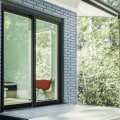
When it comes to enhancing the aesthetic appeal and functionality of your home, choosing the right windows is crucial. Among the various window styles available, single-hung windowssingle-hung windows stand out for their unique blend of traditional charm and modern efficiency. These windows have been a popular choice for homeowners for decades, not just for their classic appearance but also for their practicality in various settings. In this article, we will delve into the fascinating world of single-hung windows, exploring their defining characteristics and the benefits they bring to residential spaces. Whether you are renovating your home, building a new one, or simply looking to improve your living environment, understanding the features of single-hung windows can significantly influence your decision-making process. From their energy-efficient designs to their ease of maintenance, single-hung windows offer versatility that caters to a wide range of preferences and needs.
Join us as we explore how these windows can seamlessly blend into your home’s architecture while providing an effective solution for ventilation and natural light.
Single-hung windows
are a popular choice in many residential settings, offering a blend of functionality and aesthetic appeal that enhances the overall look of a home. The design of these windows is characterized by a fixed upper sash and an operable lower sash, allowing homeowners to enjoy the benefits of fresh air without compromising on style. The simplicity of the design not only makes them visually appealing but also contributes to their durability and ease of use. When it comes to materials, single-hung windows are available in various options, including vinyl, wood, and aluminum. Vinyl is known for its low maintenance requirements and energy efficiency, making it a popular choice among homeowners.Wood offers a classic look that can be stained or painted to match any home decor, while aluminum provides a sleek, modern appearance with superior strength and durability. Each material has its own advantages, allowing homeowners to choose what best suits their needs and preferences. Common sizes for single-hung windows vary based on the architectural style of the home and the specific requirements of each room. Standard sizes typically range from 24x36 inches to 48x72 inches, but custom sizes are also available to fit unique openings. This versatility ensures that homeowners can find the perfect fit for any space. One of the primary benefits of single-hung windows is their energy efficiency.
The fixed upper sash minimizes air leakage, helping to maintain a consistent indoor temperature and reduce heating and cooling costs. Additionally, many manufacturers offer energy-efficient glazing options that further enhance insulation properties. This makes single-hung windows an excellent choice for homeowners looking to improve their home's energy performance. In terms of ease of use, single-hung windows are designed for simple operation. The lower sash can be easily raised and lowered with minimal effort, making it convenient for homeowners to let in fresh air or perform cleaning tasks.
Compared to other window types, such as double-hung or sliding windows, single-hung windows are generally more cost-effective both in terms of initial purchase price and installation costs. The estimated costs for replacement and installation of single-hung windows can vary widely based on factors such as size, material, and labor rates in your area. On average, homeowners can expect to pay between $300 to $700 per window for materials and installation. For those considering a DIY approach, it's important to factor in not only the cost savings but also the potential challenges involved in ensuring proper installation. While DIY can be a rewarding option, hiring professional services often guarantees a higher quality finish and adherence to local building codes.
Single-hung windows
are ideal replacements in various home styles, particularly in traditional and colonial designs where they complement the architectural lines beautifully.They can also work well in contemporary homes when framed correctly with modern materials. For instance, replacing outdated casement or sliding windows with single-hung windows can enhance curb appeal while improving functionality. Despite their popularity, some common concerns or misconceptions about single-hung windows persist. One such misconception is that they provide limited ventilation due to the fixed upper sash; however, many homeowners find that the operable lower sash offers sufficient airflow for most needs. Additionally, potential buyers often worry about maintenance; yet, with proper care—such as regular cleaning and occasional lubrication of moving parts—single-hung windows can last for many years without significant issues. To prolong the lifespan of single-hung windows, routine maintenance is essential.
Homeowners should clean the window frames and sashes regularly to prevent dirt buildup and ensure smooth operation. Inspecting weather stripping for wear and tear can help maintain energy efficiency by preventing drafts. Additionally, checking for any signs of rot or damage in wooden frames can address problems before they escalate. In conclusion, single-hung windows offer numerous features and benefits that make them an attractive option for homeowners looking to replace their existing windows. Their design versatility, energy efficiency, and cost-effectiveness make them suitable for various styles and preferences.
By understanding their features and addressing common concerns, homeowners can make informed decisions that enhance their living spaces.
Cost Estimates for Replacement
When considering single-hung windows for your home, it’s important to understand the financial implications associated with purchasing and installing them. The cost of single-hung windows can vary significantly based on factors such as materials, brand, size, and additional features. On average, homeowners can expect to pay between $150 to $500 per window for the unit itself. Vinyl single-hung windows tend to be on the lower end of the price spectrum, while wood or fiberglass options may cost more due to their aesthetic appeal and durability. In addition to the cost of the windows, installation fees must also be considered. Professional installation can add an additional $100 to $300 per window, depending on the complexity of the installation and local labor rates.Therefore, total costs for purchasing and installing single-hung windows typically range from $250 to $800 each. It’s also worth noting that some factors can affect the overall price, such as the need for custom sizes or additional features like energy-efficient glass coatings. Homeowners should always obtain multiple quotes from reputable contractors to ensure they receive the best value for their investment. Ultimately, while single-hung windows offer a range of benefits, including enhanced energy efficiency and aesthetic appeal, understanding the associated costs is crucial for making an informed decision about window replacement options. offer a range of benefits, including enhanced energy efficiency and aesthetic appeal, understanding the associated costs is crucial for making an informed decision about window replacement options.
Benefits of Choosing Single-Hung Windows
Single-hung windows are an excellent choice for homeowners looking to combine functionality with style. One of the most significant advantages of these windows is their energy efficiency. Since only the bottom sash opens, they provide a tighter seal than double-hung windows, reducing air leakage and helping to maintain a consistent indoor temperature.This can lead to lower heating and cooling costs, making them a financially savvy option for many households. In addition to their energy benefits, single-hung windows also offer a classic aesthetic appeal. Their simple and elegant design complements various architectural styles, from traditional to contemporary. Homeowners can choose from a variety of materials and finishes, ensuring that these windows enhance the overall look of their home. Cost-effectiveness is another advantage of single-hung windows. Generally, they are more affordable than their double-hung counterparts, both in terms of initial purchase and installation costs.
This makes them an attractive option for those on a budget who still want to improve their home’s value and curb appeal. Ultimately, choosing single-hung windows means investing in a product that combines energy efficiency, aesthetic versatility, and cost savings, making them a popular choice for many homeowners.
Key Features of Single-Hung Windows
Single-hung windows are a popular choice in many residential settings due to their unique structure and ease of use. These windows consist of two sashes, with the upper sash fixed in place and the lower sash being operable. This design allows homeowners to enjoy ventilation while maintaining a clean and uninterrupted view through the upper portion of the window. One of the key characteristics of single-hung windows is their vertical sliding operation. The lower sash can be raised to open, allowing fresh air to flow into the home while providing a safe barrier through the fixed upper sash.This makes them an excellent option for areas where outdoor elements can be a concern, as they offer a controlled way to ventilate a room. Another important feature is their energy efficiency. Many modern single-hung windows are designed with double or triple glazing and insulated frames, which help to reduce heat transfer and improve overall energy performance. This can lead to lower heating and cooling costs, making them not only a stylish choice but also an economical one. Aesthetically, single-hung windows are versatile and can complement various architectural styles, from traditional to contemporary homes. They are available in a range of materials, including vinyl, wood, and aluminum, allowing homeowners to choose options that best match their home’s exterior. Additionally, the simplicity of single-hung windows contributes to their appeal.
Their design is straightforward, making them easy to maintain and clean. Unlike more complex window types, such as double-hung or casement windows, single-hung variants have fewer moving parts, reducing the likelihood of mechanical issues over time. In summary, the key features of single-hung windows—including their vertical operation, energy efficiency, aesthetic flexibility, and low maintenance—make them an attractive option for many homeowners considering window replacements. Whether you’re looking to enhance your home’s value or simply improve its functionality, single-hung windows offer a compelling solution.
Installation Process: DIY vs. Professional
Installing single-hung windows can be a rewarding project, whether you choose to take on the challenge yourself or hire a professional.Understanding the installation process can help you make an informed decision that best suits your skills and needs. The first step in the installation process involves measuring the window opening accurately. This is crucial as it ensures that the new single-hung windows fit perfectly. If you opt for a DIY approach, you should gather all necessary tools, including a level, tape measure, and utility knife. Next, you will need to remove the old window. This may involve taking out any trim and carefully detaching the window frame.
Once the old window is removed, you can prepare the opening by cleaning it and checking for any structural damage that may need repair. When installing the new single-hung window, place it into the opening and make sure it is level. You will then secure it in place using shims and nails or screws. After that, insulation around the window frame is essential to improve energy efficiency. If you're considering a DIY installation, be aware that while it can save you money, it requires a certain level of skill and experience. Mistakes during installation can lead to issues such as air leaks or improper sealing, which can affect both energy efficiency and functionality. On the other hand, hiring a professional for single-hung window installation can provide peace of mind.
Professionals have the expertise to ensure that your windows are installed correctly and efficiently. They also typically offer warranties for their work, which can be a valuable safety net in case of future issues. Ultimately, whether you choose to install your single-hung windows yourself or hire a professional depends on your comfort level with DIY projects, your budget, and your time availability. Assessing these factors will help you decide on the best approach for enhancing your home with beautiful and functional new windows.
Maintenance Tips for Longevity
To ensure your single-hung windows remain functional and visually appealing over time, regular maintenance is essential. Here are some practical tips to help you care for them effectively:1.Regular Cleaning: Keep the window frames and glass clean by washing them with a mild detergent and water solution.Use a soft cloth or sponge to avoid scratching the surfaces. For the glass, consider using a glass cleaner to maintain clarity and shine.
2.Inspect Weatherstripping:
Check the weatherstripping around your single-hung windows for any signs of wear or damage. This component is crucial for energy efficiency, as it prevents drafts. Replace it if necessary to maintain optimal insulation.3.Lubricate Moving Parts:
The sliding mechanism of single-hung windows should be lubricated regularly to ensure smooth operation.Use a silicone-based lubricant on the tracks and hinges to prevent sticking and enhance functionality.
4.Check for Air Leaks:
Conduct periodic checks for air leaks around the window edges. If you notice drafts, consider applying caulk to seal any gaps, which will improve energy efficiency and comfort in your home.5.Monitor for Damage:
Regularly inspect your single-hung windows for signs of damage, such as cracks in the glass or rotting frames. Addressing these issues promptly can prevent more extensive repairs in the future.6.Seasonal Maintenance:
Perform seasonal maintenance by cleaning the window tracks and ensuring that they are free of dirt and debris, which can hinder proper function. Additionally, check for any signs of moisture build-up that could lead to mold or mildew. By following these maintenance tips, you can enhance the longevity of your single-hung windows, ensuring they continue to serve both functional and aesthetic purposes in your home for years to come. In conclusion, single-hung windows stand out as a practical and stylish choice for homeowners looking to enhance their living spaces.We have explored their key features, including their energy efficiency, aesthetic appeal, and functionality, which make them a popular option in residential settings. Additionally, the benefits of choosing single-hung windows, such as cost-effectiveness and ease of maintenance, further solidify their position as a favorable window replacement choice. Moreover, understanding the cost estimates for replacement and comparing the installation process—whether DIY or professional—equips homeowners with the necessary knowledge to make informed decisions. It is essential to consider personal needs and preferences when deciding on window options. Overall, single-hung windows offer a versatile solution that can significantly enhance both the energy efficiency and value of your home. As you weigh your options for window replacement, keep in mind the unique features and advantages that single-hung windows bring to the table.